Tomato and ketchup mix an acidic sauce with the strong natural pigment lycopene, which can stain if left. Lifted promptly, though, they usually come up well.
Scoop up the excess with a spoon, then blot. Don't smear it across a wider area. Speed stops the pigment setting. Never rub. Rubbing pushes the stain deeper into the pile and frays the fibres.
- Clean white cloths / kitchen roll
- Washing-up liquid
- White vinegar
- Bicarbonate of soda
- Cool or lukewarm water
Step by step (carpet)
- Lift the excess with a spoon, scraping gently towards the middle.
- Blot the rest with a damp cloth.
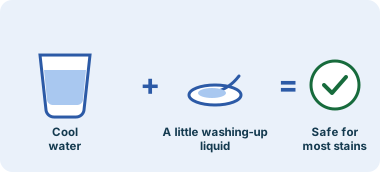
- Treat with a teaspoon of washing-up liquid and a tablespoon of white vinegar in 250ml of lukewarm water; dab and blot.
- Rinse with clean cool water and press dry.
- Repeat gently if a pink tint remains.
The pigment can be stubborn once dry, so a faint pink shadow sometimes lingers on pale carpet, another good candidate for a professional follow-up.
By surface
🧹 Carpets
Most of these marks end up on the carpet, and the method above is exactly what we use, just at professional strength with proper rinse-extraction. If it’s set in, over a large area or won’t shift, our carpet cleaning service lifts what home kits leave behind.
🛋️ Sofas & upholstery
Check the cushion's cleaning code first: W or W/S means the method above is fine used sparingly; S means solvent-clean only, so leave that to a professional. Use less water than on carpet and blot, don't soak.
🧶 Wool & delicate rugs
Tomato pigment is drawn to natural fibres, so lift the solids off a rug carefully and blot rather than wipe, which just paints the sauce wider. Use cool water and a gentle touch. Wool can ‘brown’ if over-wet and some rug dyes run. Test a hidden corner first, and for an antique, hand-knotted or silk rug, don't gamble. Leave it to us.
🛏️ Mattresses
Scrape off every bit of sauce before anything wet touches the mattress. Ketchup's red pigment only really stains once it's pressed into the fabric. You can't rinse a mattress, so go light: blot, treat sparingly, then use bicarbonate of soda to absorb the rest. Never soak it. Trapped moisture leads to mould and smells.
✅ Do
- Act fast and keep it cool
- Blot from the outside in
- Test on a hidden patch first
- Build up with several light passes
🚫 Don't
- Rub. It drives the stain deeper
- Use hot water on a fresh stain
- Use bleach or harsh spot removers
- Over-wet, especially a mattress or wool rug
Tried it and the tomato & ketchup mark is still there, or it's a wool rug, a mattress or something you'd hate to ruin? Don't keep scrubbing; that's how a stain turns permanent. We can often draw out what's left with professional hot-water extraction, and we'll tell you honestly what we expect to get up before we start. We usually reply within 15 minutes, prices are fixed with no VAT (rooms from £20, £50 minimum call-out), and we can normally fit you in within two to three days, worth sending that photo sooner rather than later, as the longer a stain sits, the harder it is to lift. Watford family business (25 years' experience, fully insured) and if you're not happy with the result, we re-clean free. That's our 100% satisfaction guarantee.
Get my free quote 💬 WhatsApp us a photo of the stainCommon questions
Do ketchup stains come out of carpet?
Fresh ketchup is one of the more forgiving stains. Lift the excess, blot from the outside in, and most of it will come away. It's the drying that causes trouble: the tomato pigment oxidises and the sugars bond to the fibres, so a week-old stain is much harder than a same-day one. If a home attempt has stalled, stop before you rub it in deeper and get a professional opinion.
Why is there still an orange mark after cleaning a ketchup stain?
That shadow is lycopene, the red-orange pigment in tomatoes, which behaves a bit like a dye once it has dried into the fibres. Surface cleaning removes the sauce but not always the pigment left behind. A hot-water extraction clean flushes the fibres far more thoroughly, though on an old, set stain we'll always be honest that a faint trace may remain.
Will the stain come back after the carpet has been cleaned?
It can, for two reasons: residue left deep in the pile wicks back up to the surface as the carpet dries, and sticky sugar residue attracts new dirt to the same spot. That usually means the spill was cleaned on the surface but never properly rinsed out, one of the main differences between professional cleaning and DIY. Proper extraction removes the residue rather than just the visible mark.
More stain guides
- ← Back to the full Stain Removal Guide
- How to remove red wine
- How to remove tea
- How to remove coffee

Last updated July 2026