Blood has one golden rule that matters more than any other: cold water only. Blood is protein, and heat cooks it permanently into the fibres. Treated cold and promptly, it usually lifts well.
Blot with a cloth dampened in cold water, never warm or hot. Work from the outside in and keep swapping to a clean part of the cloth. Never rub. Rubbing pushes the stain deeper into the pile and frays the fibres.


A real blood stain we lifted from a customer's stair carpet. Drag to see the before & after.
- Clean white cloths
- Cold water
- Washing-up liquid
- Salt (optional, for fresh blood)
- Bicarbonate of soda
Step by step (carpet)
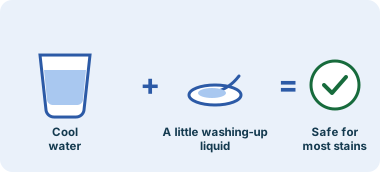
- Blot with cold water dabbing and lifting, never rub, never warm the water.
- Make a cold solution of a teaspoon of washing-up liquid in 250ml of cold water.
- Dab and blot gently, lifting the colour away in stages.
- For stubborn fresh blood a paste of salt and cold water can help draw it out; leave briefly, then blot.
- Rinse with cold water and press dry.
If you have 3% hydrogen peroxide it can help on a pale, colourfast carpet, but it bleaches colour, so test a hidden spot first and use sparingly, or skip it on anything coloured.
By surface
🧹 Carpets
Most of these marks end up on the carpet, and the method above is exactly what we use, just at professional strength with proper rinse-extraction. If it’s set in, over a large area or won’t shift, our carpet cleaning service lifts what home kits leave behind.
🛋️ Sofas & upholstery
Check the cushion's cleaning code first: W or W/S means the method above is fine used sparingly; S means solvent-clean only, so leave that to a professional. Use less water than on carpet and blot, don't soak.
🧶 Wool & delicate rugs
Cold water only on a rug too, and go easy on wool: the salts in blood can leave a stiff patch even after the colour has gone. Use cool water and a gentle touch. Wool can ‘brown’ if over-wet and some rug dyes run. Test a hidden corner first, and for an antique, hand-knotted or silk rug, don't gamble. Leave it to us.
🛏️ Mattresses
Blood on a mattress is common, use cold water only, never warm. You can't rinse a mattress, so go light: blot, treat sparingly, then use bicarbonate of soda to absorb the rest. Never soak it. Trapped moisture leads to mould and smells.


Bloody paw prints lifted clean off a customer's sofa, cold water only, no trace left.
✅ Do
- Use cold water, always
- Blot from the outside in
- Act before it dries
- Test any peroxide on a hidden patch
🚫 Don't
- Use warm or hot water. It sets blood
- Rub the stain
- Use undiluted peroxide on coloured carpet
- Over-wet the area
Tried it and the blood mark is still there, or it's a wool rug, a mattress or something you'd hate to ruin? Don't keep scrubbing; that's how a stain turns permanent. We can often draw out what's left with professional hot-water extraction, and we'll tell you honestly what we expect to get up before we start. We usually reply within 15 minutes, prices are fixed with no VAT (rooms from £20, £50 minimum call-out), and we can normally fit you in within two to three days, worth sending that photo sooner rather than later, as the longer a stain sits, the harder it is to lift. Watford family business (25 years' experience, fully insured) and if you're not happy with the result, we re-clean free. That's our 100% satisfaction guarantee.
Get my free quote 💬 WhatsApp us a photo of the stainCommon questions
Why shouldn't you use hot water on a blood stain?
Blood is a protein stain, and heat makes the protein coagulate and bond to the carpet fibres. Effectively cooking the stain in place. Always start with cold water on fresh blood, and only move on to other treatments once the worst has lifted. It's also why pointing a hot DIY steam cleaner straight at untreated blood can make things worse, not better.
Can dried or old blood stains be removed from carpet?
Sometimes, but honestly not always. Once blood has dried and oxidised it bonds firmly to the fibres, and a shadow can remain even after a professional clean. Fresh blood, treated quickly with cold water, comes out far more reliably. If you're not sure what you're dealing with, WhatsApp us a photo and we'll give you a free, honest opinion on what's realistic before you spend a penny.
Will hydrogen peroxide bleach my carpet?
It can, peroxide lightens carpet dyes as well as stains, and wool and darker colours are particularly at risk. If you do try it, test it somewhere hidden first and never leave it soaking into the pile. On a carpet you care about, a quick photo sent over WhatsApp costs nothing and could save you a permanent bleached patch.
More stain guides
- ← Back to the full Stain Removal Guide
- How to remove pet urine
- How to remove vomit & sick
- How to remove faeces

Last updated August 2026