Bolognese, pizza sauce and pasta sauces are really two stains in one: the same red tomato pigment as ketchup, plus the oil the sauce was cooked in. The pigment wants cold water and patience; the oil wants washing-up liquid. Treat both and a fresh spill usually comes up well. It's the dried-in ones that turn stubborn.
Scrape up the solids with a spoon first, never rub, then blot with a cloth wrung out in cold water. The pigment sets and the oil sinks deeper by the minute, so the spoon-then-blot routine matters more here than with almost any other food spill.
- Clean white cloths / kitchen roll
- A spoon (for scraping, not a brush)
- Washing-up liquid
- Cold water
- White vinegar
- Bicarbonate of soda
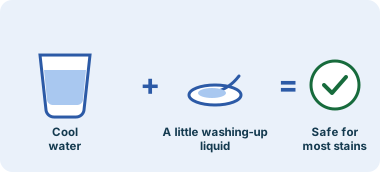
Step by step (carpet)
- Scrape the solids up gently with a spoon, working in towards the middle of the spill.
- Blot with a white cloth dampened in cold water until nothing more transfers. Cold, not hot, because heat sets the pigment.
- Treat with the washing-up liquid mix; the detergent is what breaks down the oil in the sauce, which plain water can't touch.
- Work from the outside edge in, dabbing and blotting, so you don't push the ring wider.
- Rinse with clean cold water and press dry with a fresh cloth.
- Repeat gently until the mark stops lifting, several light passes always beat one hard scrub.
Dried sauce needs softening before any of this will work: lay a cloth dampened with the mix over the crust for ten minutes, then scrape the softened sauce away and pick up from step two, never pick at a dry crust, as it snaps fibres and leaves the pigment behind. And if what you've spilt is straight ketchup rather than a cooked sauce, our tomato & ketchup guide is the one you want, less oil, and a slightly kinder stain.
By surface
🧹 Carpets
Most of these marks end up on the carpet, and the method above is exactly what we use, just at professional strength with proper rinse-extraction. If it’s set in, over a large area or won’t shift, our carpet cleaning service lifts what home kits leave behind.
🛋️ Sofas & upholstery
Check the cushion's cleaning code first: W or W/S means careful water-based cleaning is fine used sparingly; S means solvent-clean only, so leave that to a professional. The oil in a cooked sauce clings to fabric weave, so expect an extra round or two with the detergent mix, and check under good light that no greasy shadow is left, because an invisible oil mark will quietly collect dirt and reappear grey in a few weeks.
🧶 Wool & delicate rugs
Grease holds onto wool far more stubbornly than onto synthetic fibres, so don't chase the oily half of this stain with more and more water. Give it two light passes with the mix, then stop.
🛏️ Mattresses
On a sauce spill the bicarbonate of soda earns its keep twice: it draws out the greasy residue as well as the moisture. Leave it sitting on the dried spot for a few hours before vacuuming it away.
✅ Do
- Scrape solids first. Spoon only, never a brush
- Keep the water cold; heat sets the pigment
- Work from the outside edge in
- Let the washing-up liquid deal with the oil
🚫 Don't
- Rub. It grinds pigment and oil deeper into the pile
- Use hot water on a fresh stain
- Trust the 'leave it in the sun' tip. Sunlight fades carpet dye as readily as the stain
- Use bleach or harsh spot removers
Tried it and the sauce mark is still there, or it's a wool rug, a mattress or something you'd hate to ruin? Don't keep scrubbing; that's how a stain turns permanent. Sauce stains leave two things behind, pigment in the fibre and oil deep in the pile, and our professional hot-water extraction is built to flush out both. We'll tell you honestly what we expect to get up before we start. We're a Watford family business with 25 years' industry experience, fully insured, send a photo over WhatsApp and we'll take a look. We usually reply within 15 minutes, prices are fixed with no VAT (rooms from £20, £50 minimum call-out), and we can normally fit you in within two to three days, worth sending that photo sooner rather than later, as the longer a stain sits, the harder it is to lift. And if you're not happy with the result, we re-clean free. That's our 100% satisfaction guarantee.
Get my free quote 💬 WhatsApp us a photo of the stainCommon questions
Does tomato sauce come out of carpet?
Usually, yes, if you get to it the same day. The catch with pasta sauce is that it's oilier than plain tomato or ketchup, so water alone won't shift it: you need washing-up liquid to break down the grease, then cold-water rinsing for the red pigment. The longer it sits, the more the pigment bonds to the fibres, so a week-old bolognese mark is a much harder job than a fresh one, and at that point it's worth a professional opinion before you rub it in any deeper.
How do you remove dried bolognese or pasta sauce stains?
Soften before you scrape. Lay a cloth dampened with the washing-up liquid mix over the dried crust for ten minutes, then lift the loosened sauce away with a spoon and work through the normal routine: treat, blot, rinse, repeat gently. Picking at a dry crust snaps carpet fibres and leaves the pigment exactly where it was. Dried sauce often lightens a long way at home but leaves a faint orange shadow. That residue is what professional extraction is good at flushing out.
Does sunlight get rid of tomato stains?
It's a real trick for washable clothes on a line. UV light does break down the red pigment in tomatoes. But it doesn't transfer to carpets and sofas: you can't hang a carpet in the sun, strong direct sunlight fades the surrounding dye as readily as the stain, and light does nothing at all about the oil a pasta sauce leaves behind. Skip the sunbeam-chasing and let the washing-up liquid mix do the work instead.
More stain guides
- ← Back to the full Stain Removal Guide
- Print the Stain First Aid fridge card
- How to get bad smells out of carpet
- Why do stains come back after cleaning?

Last updated July 2026