Most of our stain guides start with “act fast”. That ship has sailed. Maybe you've pulled the furniture out and found a mystery mark, moved into a rental with someone else's stain, or already had a go and got nowhere. The good news: plenty of old stains still shift, if you wake them up first and work gently. The honest news: some won't, and we'll tell you which.
Don't reach for a stronger cleaner. That's how old stains become permanent ones. First work out (or best-guess) what the stain is, then lay a cloth dampened with cool water over it for 10–15 minutes. A softened stain gives up far more easily than a bone-dry one.


Old, dried-in stains lifted from a velvet chair. Drag to see the before & after.
- Vacuum cleaner
- Clean white cloths / kitchen roll
- Washing-up liquid
- White vinegar
- Cool water
- Patience, genuinely
Why an old stain is a different job
A fresh spill sits on the fibre. An old one has had weeks or months to bond to it. The staining has oxidised, dried into the pile, and often been pressed deeper by feet and furniture. If someone's already been at it with hot water or a hard scrub, part of the mark may effectively be cooked in or the fibre tips roughened, and that changes what's possible. And if you've inherited it, you may not even know what it is, which matters, because the right treatment for one stain family is the wrong one for another.
So step one isn't cleaning at all. It's identification. Our what is this stain? guide walks you through working it out from the colour, the position in the room and how the mark behaves. If you genuinely can't tell, treat it as unknown: cool water only, no heat, nothing stronger than washing-up liquid. Hot water permanently sets protein stains like blood, milk and pet accidents, and harsh products can set dyes or damage the fibre.
Step by step (carpet)
- Identify it, or make your best guess using our stain identifier. Unknown stain? Assume protein: cool water only.
- Vacuum thoroughly over and around the mark. You want to treat the stain, not the household dirt sitting on top of it.
- Rehydrate by laying a cloth dampened with cool water over the patch for 10–15 minutes. This softens the dried residue so cleaning works again. It's the single step most people skip.
- Patch-test first on a hidden corner, inside a cupboard or behind a door. An old carpet's dyes can be fragile; better a surprise where no one looks.
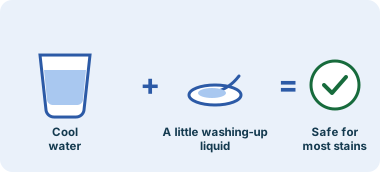
- Work in gentle, repeated passes with a teaspoon of washing-up liquid in 500ml of cool water: dab, blot, and let it rest a few minutes before going again. Five gentle rounds beat one aggressive scrub every time.
- Rinse and dry, blot with plain cold water to lift out the detergent, then lay a weighted stack of kitchen roll over the spot overnight so the moisture wicks into the paper, not back up the pile.
For tea, coffee and other brownish marks, a tablespoon of white vinegar added to the mix helps. Expect an old stain to lighten in stages rather than vanish in one go, if each round is taking a little more out, keep going. If three rounds change nothing at all, stop; more of the same will only wear the pile.
What realistically comes out. Family by family
Old tannin stains, tea, coffee, beer. Are the pleasant surprise. Even months on, they often lighten well with the vinegar mix, and professional extraction usually finishes the job.
Old protein stains (blood, milk, food, pet accidents), usually shift too, provided nobody has set them with hot water. Cool water and patience; if it's been through a hot scrub already, expect a fainter result.
Old dye stains are the hard family. Red wine, curry and turmeric, hair dye and felt tip don't just sit on the fibre. They dye it, the same way the carpet's own colour was put in. Once they've cured for months, home methods may only fade them, and even we can't always take them out completely. We'll say so before we start, not after.
Bleach spots are not stains at all. A pale patch from bleach, or from acne creams and some cleaning products, is dye loss. The colour has been stripped out of the fibre. There is nothing to clean off, so no cleaning method on earth will fix it, ours included. The honest options are spot re-dyeing (possible on wool and nylon; not on polyester or polypropylene, which are dyed at the factory) or patching in a piece from an offcut or a hidden corner. We'd rather tell you that straight than sell you a clean that can't work.
Why it might come back a day later
Get an old stain out and it can still play one last trick: reappearing as a faint shadow a day or two later. That's wicking. Part of the original spill is sitting in the backing or underlay, and as the damp patch dries, the moisture climbs back up the fibres and carries the stain to the surface with it. It's the main reason DIY wins turn into repeat losses, and our why stains come back guide covers it properly. The overnight weighted-blot in step 6 is your best home defence; on a job we prevent it by extracting from deep in the pile rather than pushing liquid further down, and by leaving the carpet only damp, touch-dry in 4–6 hours, so there's little time for anything below to travel back up.
When it's one for us, and when we'd say don't bother
Professional hot-water extraction genuinely rescues a lot of old stains. Our Prochem machines inject hot solution deep into the pile and pull it straight back out, flushing out staining, and years of detergent residue, that no amount of surface dabbing reaches. Old tannin marks, traffic-lane grime, most food and protein staining, and the general “tired all over” look respond very well. If you've done the gentle method twice and the mark is fading but not gone, that's exactly the point where we can usually finish it.
But we won't pretend otherwise: some fibre is permanently marked. Cured dye stains may only lighten, bleach spots can't be cleaned back at all, and a stain that's been wicking out of the underlay for a year may need more than cleaning alone. This is why we ask for a photo first, WhatsApp one over and we'll usually reply within about 15 minutes in working hours with an honest opinion: what we expect to get out, what we don't, and a fixed price with no VAT on top. We've been doing this since 2014; we'd rather lose a job than promise a result we can't deliver.
By surface
🧹 Carpets
Most of these marks end up on the carpet, and the method above is exactly what we use, just at professional strength with proper rinse-extraction. If it’s set in, over a large area or won’t shift, our carpet cleaning service lifts what home kits leave behind.
🛋️ Sofas & upholstery
Check the cushion's cleaning code first: W or W/S means the method above is fine used sparingly; S means solvent-clean only, so leave that to a professional. Use less water than on carpet and blot, don't soak.
🧶 Wool & delicate rugs
Use cool water and a gentle touch. Wool can ‘brown’ if over-wet and some rug dyes run. Test a hidden corner first, and for an antique, hand-knotted or silk rug, don't gamble. Leave it to us.
🛏️ Mattresses
You can't rinse a mattress, so skip the soaking-wet rehydration, use a barely damp cloth, treat sparingly and let it dry fully. Old sweat and urine marks on mattresses often need professional extraction.
✅ Do
- Identify the stain before treating it
- Rehydrate with a damp cloth first
- Patch-test on a hidden corner
- Work in gentle, repeated passes
🚫 Don't
- Scrub harder when it won't shift
- Use hot water on an unknown stain
- Reach for bleach or strong chemicals
- Over-wet the area (hello, wicking)
Tried it and the old mark is still there, or it's a wool rug, a mattress or something you'd hate to ruin? Don't keep scrubbing; that's how a stain turns permanent. We can often draw out what's left with professional hot-water extraction, and we'll tell you honestly what we expect to get up before we start, and we can normally fit you in within two to three days. Watford family business (25 years' experience, fully insured), the quote's free, and if you're not happy with the result, we re-clean free. That's our 100% satisfaction guarantee.
Get my free quote 💬 WhatsApp us a photo of the stainCommon questions
How old is too old for a carpet stain to come out?
There's no hard cut-off. It depends far more on what the stain is than how long it's been there. We've lifted year-old tea and traffic marks that looked hopeless, while a red wine spill that cured over a summer may never fully leave. As a rule: tannin and protein stains stay worth trying almost indefinitely; dye stains get harder by the month; and anything that's been repeatedly scrubbed or hit with hot water is tougher than its age suggests. Send us a photo and we'll give you a straight answer for your actual stain.
Why did the stain reappear a day or two after I cleaned it?
That's wicking, part of the spill soaked into the backing or underlay, and as the surface dried, the moisture climbed back up the fibres carrying the stain with it. It means your cleaning worked on the top but the reservoir below is refilling the tips of the pile. Try the overnight weighted-blot with kitchen roll; if it returns again, it needs deeper extraction than surface cleaning can manage. Our why stains come back guide explains the whole mechanism.
Can you fix a bleach spot on a carpet?
Not by cleaning, and neither can anyone else, whatever they promise. A bleach spot is missing dye, not added dirt: the colour has been stripped out of the fibre, so there's nothing to remove. The genuine fixes are re-dyeing the spot to match (works on wool and nylon, but not on polyester or polypropylene, which can't take new dye) or patching in a matching piece of carpet from an offcut or a wardrobe floor. If you're not sure which your carpet is, send us a photo and we'll point you the right way, even if the right way isn't us.
Is it cheaper to clean the carpet or replace it?
Cleaning, almost always, and by a wide margin. Our prices start from £20 a room (with a £50 minimum call-out), fixed with no VAT added, while replacing a carpet typically runs to hundreds per room once you've paid for carpet, underlay and fitting. The honest exception: if the carpet is threadbare, or the marks are dye loss rather than dirt, cleaning can't turn back the clock, and we'll say so at the quote stage rather than take your money first.
I don't know what the stain is, what's the safest thing to try?
Treat it as the most fragile case: cool water only, a drop of washing-up liquid at most, blotting not rubbing, and a patch test on a hidden corner before you touch the visible mark. Never use hot water on a mystery stain, if it turns out to be protein-based (blood, milk, pet mess), heat sets it permanently. Our what is this stain? guide helps you narrow it down from the colour and location first.
Will a stronger cleaner or harder scrubbing shift it?
Usually the opposite. Scrubbing frays and untwists the fibre tips, so even if the stain lightens, you're left with a fuzzy, worn patch that catches the light, and strong chemicals risk stripping colour, turning a removable stain into a permanent bleach spot. Old stains respond to softening and repetition, not force: rehydrate, work gently, rest, repeat. If gentle isn't getting there, that's the moment to stop and get a professional opinion, not to press harder.
More stain guides
- ← Back to the full Stain Removal Guide
- What is this stain? Identify a mystery mark
- Why stains come back after cleaning
- How to remove red wine
- How to remove curry & turmeric

Last updated August 2026