Milk is one of the sneakiest spills there is. The mark itself is faint and often wipes away. The real danger is the smell, because milk protein and fat turn sour within a day or two and sink down towards the backing. Whether it's a knocked-over glass, a baby's bottle or a cereal disaster, speed matters more here than with almost any other spill.
Blot hard with kitchen roll straight away and keep going until a fresh sheet comes up dry. Every drop you lift now is a drop that can't turn sour in the pile. Whatever you do, don't reach for hot water; heat cooks milk protein into the fibre.
- Kitchen roll / clean white cloths
- Washing-up liquid
- Cool water
- Bicarbonate of soda
- A dry towel
- Vacuum cleaner
Step by step (carpet)
- Blot immediately with kitchen roll, pressing firmly and working from the outside in. Keep going until a fresh sheet comes up dry.
- Flush the patch lightly with a little cool water to dilute what's left, then blot it back out. Never hot water, heat cooks the protein into the fibre.
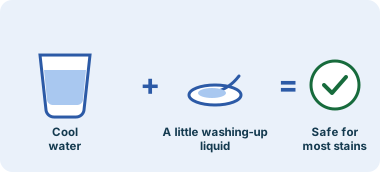
- Treat with the mix, a teaspoon of washing-up liquid in 500ml of cool water, dabbing it on with a cloth and blotting it straight back out.
- Rinse with a little plain cool water and blot until nothing more lifts.
- Dry it fast: press a dry towel into the patch under something heavy, then keep air moving over it. The quicker it dries, the less chance it sours.
- Sprinkle bicarbonate of soda over the area once it's dry, leave it overnight, then vacuum it up.
Speed is the whole game with milk. The stain itself rarely marks, but any residue left behind starts to sour within a day or two, and once that smell sets in it's far harder to shift than the spill ever was. Keep the water cool from start to finish, use as little of it as you can, over-wetting just pushes milk deeper, and get the patch dry quickly. If a sour smell does appear later, our guide to getting smells out of carpet covers what to do next.
By surface
🧹 Carpets
Most of these marks end up on the carpet, and the method above is exactly what we use, just at professional strength with proper rinse-extraction. If it’s set in, over a large area or won’t shift, our carpet cleaning service lifts what home kits leave behind.
🛋️ Sofas & upholstery
Check the cushion's cleaning code first: W or W/S means careful water-based cleaning is fine used sparingly; S means solvent-clean only, so leave that to a professional. Milk runs, fast. On a sofa it finds seams, piping and the gap between cushion and frame, and once it soaks into the cushion foam the sour smell comes from inside the cushion rather than the cover. Blot immediately, tip the cushion to check underneath, and use as little liquid as possible. Foam holds moisture and sours quickly. If the covers unzip and the care label allows washing, do it promptly rather than waiting for the smell to arrive.
🧶 Wool & delicate rugs
Milk soaks straight through a rug into whatever's underneath, so lift it and check the floor below. Blot both sides, then prop the wet patch up off the ground to dry, if the underside stays damp against the floor, that trapped milk will sour.
🛏️ Mattresses
Usually a bottle-feed accident. You can't rinse a mattress, so blot hard, treat sparingly with the mix, then be generous with the bicarbonate of soda. Leave it on overnight (longer if you can) and vacuum thoroughly. Never soak it: milk deep inside a mattress is exactly the sour smell you can't get back out.
✅ Do
- Blot the moment it happens. Every drop counts
- Keep the water cool from start to finish
- Dry the patch fast. Towels, airflow, an open window
- Leave bicarbonate of soda on overnight for the smell
🚫 Don't
- Use hot water, heat cooks the protein into the fibre
- Over-wet the area. You'll push milk into the backing
- Scrub, dab and blot instead
- Assume it's done because the mark's gone. The smell arrives a day or two later
Done everything right and a sour smell keeps creeping back? That means the milk got past the fibre and into the backing or underlay, where no home method can reach. Professional hot-water extraction flushes the pile through properly, and we'll be straight with you: if we think the underlay itself has soured, we'll say so before we start rather than promise something we can't deliver. A Watford family business trading since 2014, with 25 years' industry experience and fully insured. A WhatsApp photo is all we need for an honest assessment. We usually reply within 15 minutes, prices are fixed with no VAT (rooms from £20, £50 minimum call-out), and we can normally fit you in within two to three days, worth sending that photo sooner rather than later, as the longer a stain sits, the harder it is to lift. And if you're not happy with the result, we re-clean free. That's our 100% satisfaction guarantee.
Get my free quote 💬 WhatsApp us a photo of the stainCommon questions
How do you get the smell of sour milk out of carpet?
The smell comes from milk residue souring in the pile, so masking it with sprays won't work. The residue has to come out. Rinse the area with the cool detergent mix, blot dry, then leave bicarbonate of soda on overnight and vacuum. If the smell survives two rounds of that, the milk has reached the backing or underlay and it's time for a proper extraction rinse. Our guide to getting smells out of carpet explains the options.
Will the smell of spilt milk go away on its own?
Not for a long time. The protein and fat keep breaking down in the pile, so the smell typically gets worse over the first week before it slowly fades, and warm rooms speed the souring up. It's always quicker and cheaper to get the residue out than to wait it out.
How do I get spilt milk out of my car carpet?
The same method works: blot hard, dab with small amounts of the cool detergent mix, blot dry and leave the doors open to air it. Act the same day if you can, a car parked in the sun turns spilt milk sour remarkably fast. Car carpet sits over foam and sound-deadening felt, so use as little liquid as possible; anything that soaks through is very hard to dry.
More stain guides
- ← Back to the full Stain Removal Guide
- Print the Stain First Aid fridge card
- How to get bad smells out of carpet
- Why do stains come back after cleaning?

Last updated August 2026